
The GREET model is a widely used computer model for estimating how much greenhouse gas a fuel causes over its whole life. The name is short for Greenhouse gases, Regulated Emissions, and Energy use in Technologies.
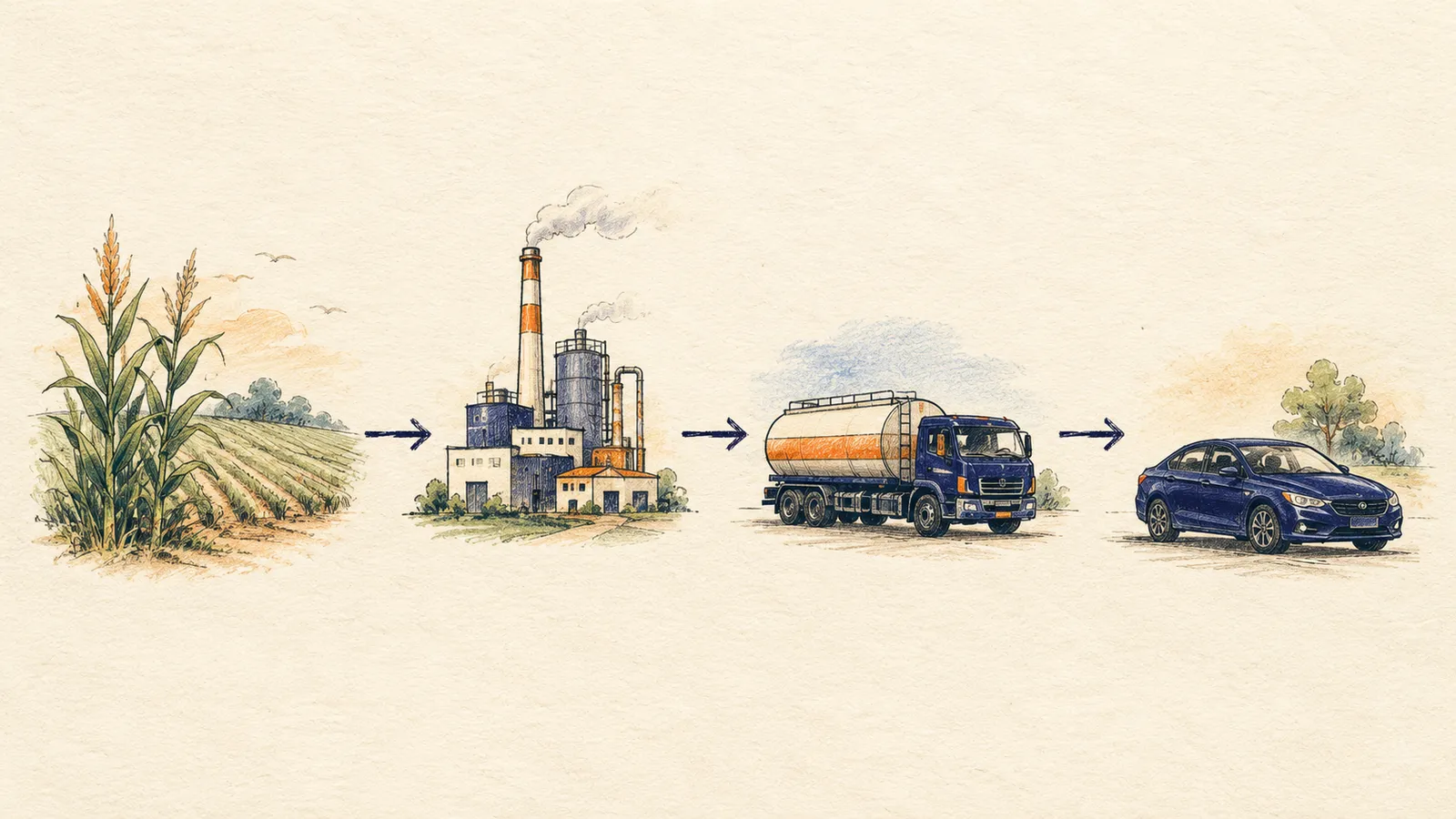
Working out a fuel’s lifecycle emissions by hand would be nearly impossible, because so many steps and choices feed into the total. GREET is a tool built to do that math. You tell it the feedstock, the production method, the energy used, and the transport, and it estimates the greenhouse gases the whole chain produces.
It was developed at Argonne National Laboratory, a United States government research lab, and it is updated over the years as measurements improve and as new fuels and methods appear. Because it is public and well studied, it has become a common reference point that different parties can agree to use.
Clean-fuel programs rely on GREET, often in a version a state has adjusted to fit its own rules, to set the carbon intensity scores that drive their credits. So the model sits quietly behind the numbers that decide which fuels earn credits and which run up deficits.
For a fuel marketer, GREET matters because it is usually the engine deciding a fuel’s score. When the model is updated or a state tweaks its version, the carbon intensity of a fuel can shift, and with it the credits that fuel earns. The economics of a clean fuel can move without the fuel itself changing at all.
In useWhen a state updates its version of the GREET model, the carbon intensity score for a given ethanol pathway can change, which changes how many credits that ethanol earns.
See also Carbon intensity, Lifecycle greenhouse gas emissions, Fuel pathway