
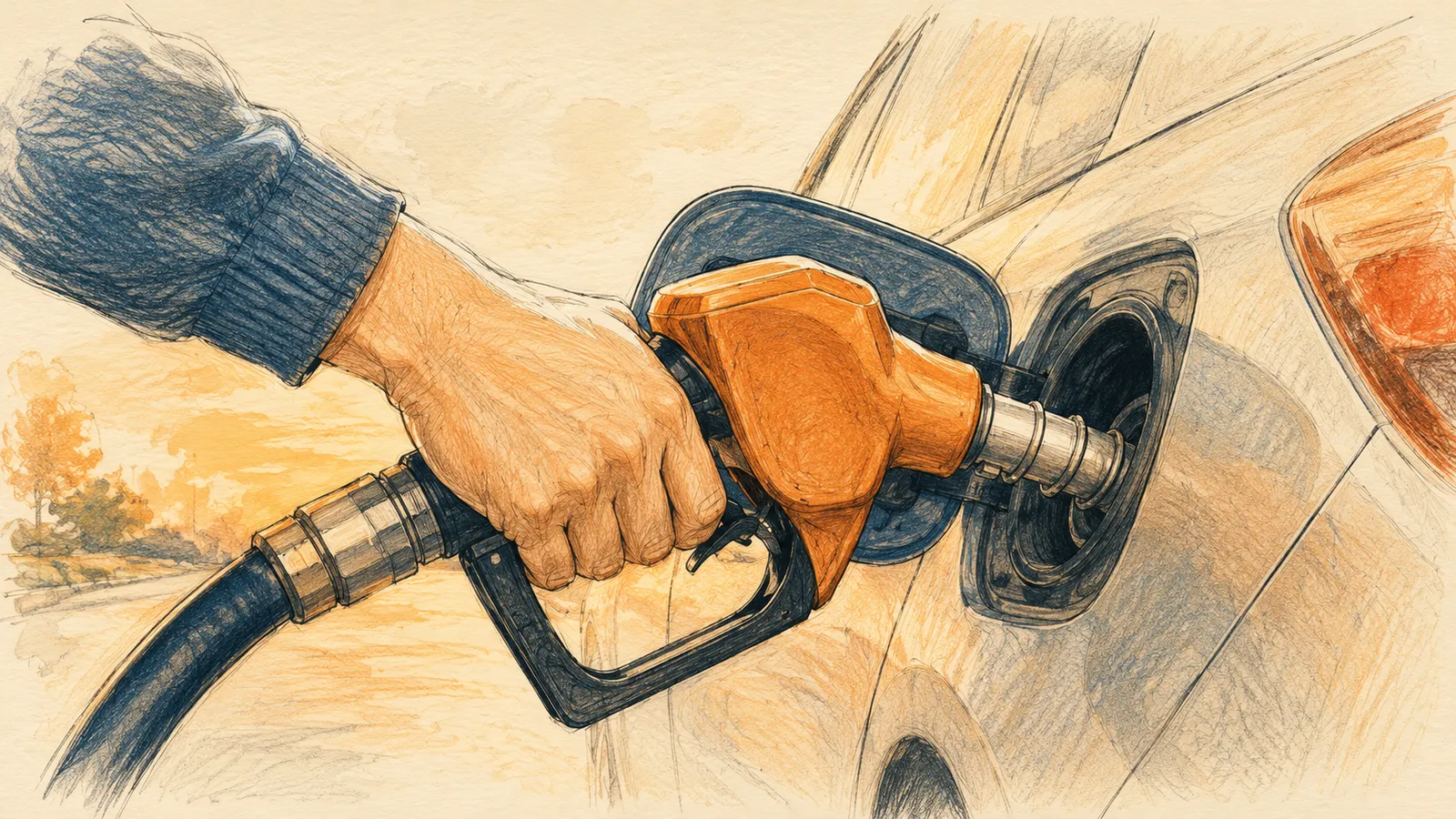
Octane is a rating for how well a gasoline resists knocking, the unwanted early firing of fuel in an engine that can damage it. A higher number resists knocking better.
When the fuel and air in an engine ignite too early or on their own, instead of when the spark plug fires, it is called knocking. It makes a pinging sound and, over time, can harm the engine. Octane measures how well a gasoline holds off that early firing.
The number on the pump, usually 87, 89, and 91 or 93, is the octane rating. That is the real difference between regular, midgrade, and premium. Higher octane is not more powerful or cleaner by itself. It simply withstands the heat and pressure of certain engines without knocking.
Most cars run fine on regular. High-performance and some turbocharged engines call for premium because they run at higher pressure. For a seller, the grades carry different costs and different margins, and premium usually earns a wider margin per gallon than regular.
In useA customer with a turbocharged car fills up on premium because the engine needs the higher octane to avoid knocking.
Where the word comes from
Octane is a chemist’s name for a specific compound in the family that makes up gasoline. The rating scale was built around how that compound behaves, so the whole measure took the name octane.
See also Ethanol blend, Branded fuel