
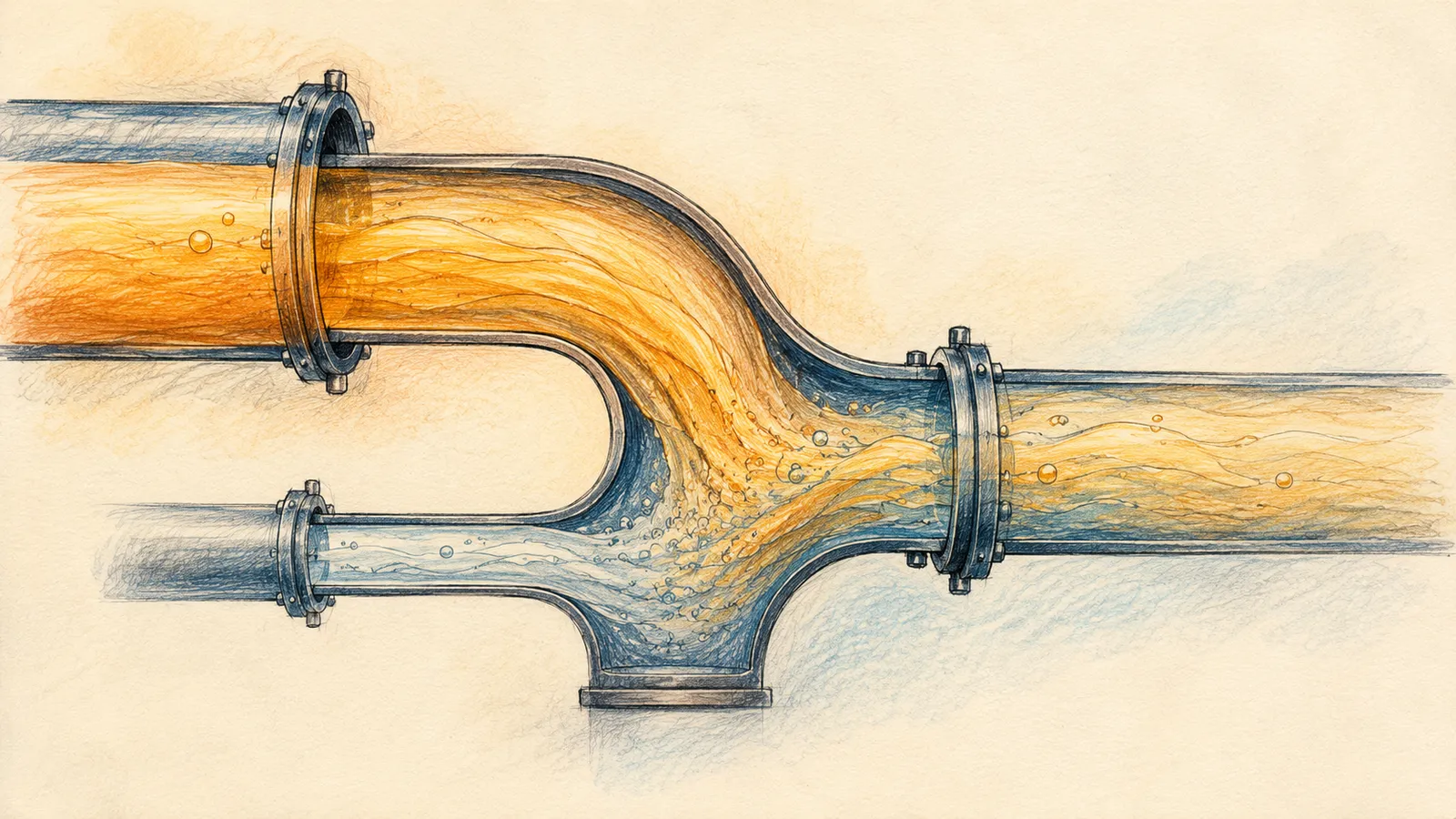
An ethanol blend is gasoline mixed with ethanol, a fuel alcohol made from crops such as corn. The common blend is E10, which is ten percent ethanol and ninety percent gasoline.
Nearly all gasoline sold in the country today is an ethanol blend. The number after the E tells you the share of ethanol: E10 is ten percent, E15 is fifteen percent, and E85 is a high blend made for special flex-fuel vehicles. Standard E10 runs safely in any modern gasoline engine.
Blending is required across most of the country, for two reasons. Ethanol stretches the gasoline supply by adding home-grown fuel to it, and it helps gasoline burn cleaner to meet clean-air rules. A federal program, the Renewable Fuel Standard, sets how much renewable fuel must be blended in each year, which is why the blend is the norm and not a choice.
For a jobber, ethanol shapes the daily handling of gasoline. Ethanol attracts water and can separate if it sits too long or gets wet, so blended fuel needs care in storage and turnover. Many terminals deliver the gasoline and the ethanol separately and blend them as the truck loads, and the credits tied to blending, called RINs, carry real dollar value worth tracking.
In useThe terminal blends ten percent ethanol into the gasoline as the truck loads, so what the jobber hauls to its stations is the standard E10.
See also Octane, RINs / RFS