
General information only, last reviewed October 25, 2026. Full notice at the end of the page. A date on this page has passed. Check the current rule at the source before you rely on it. Dates to watch
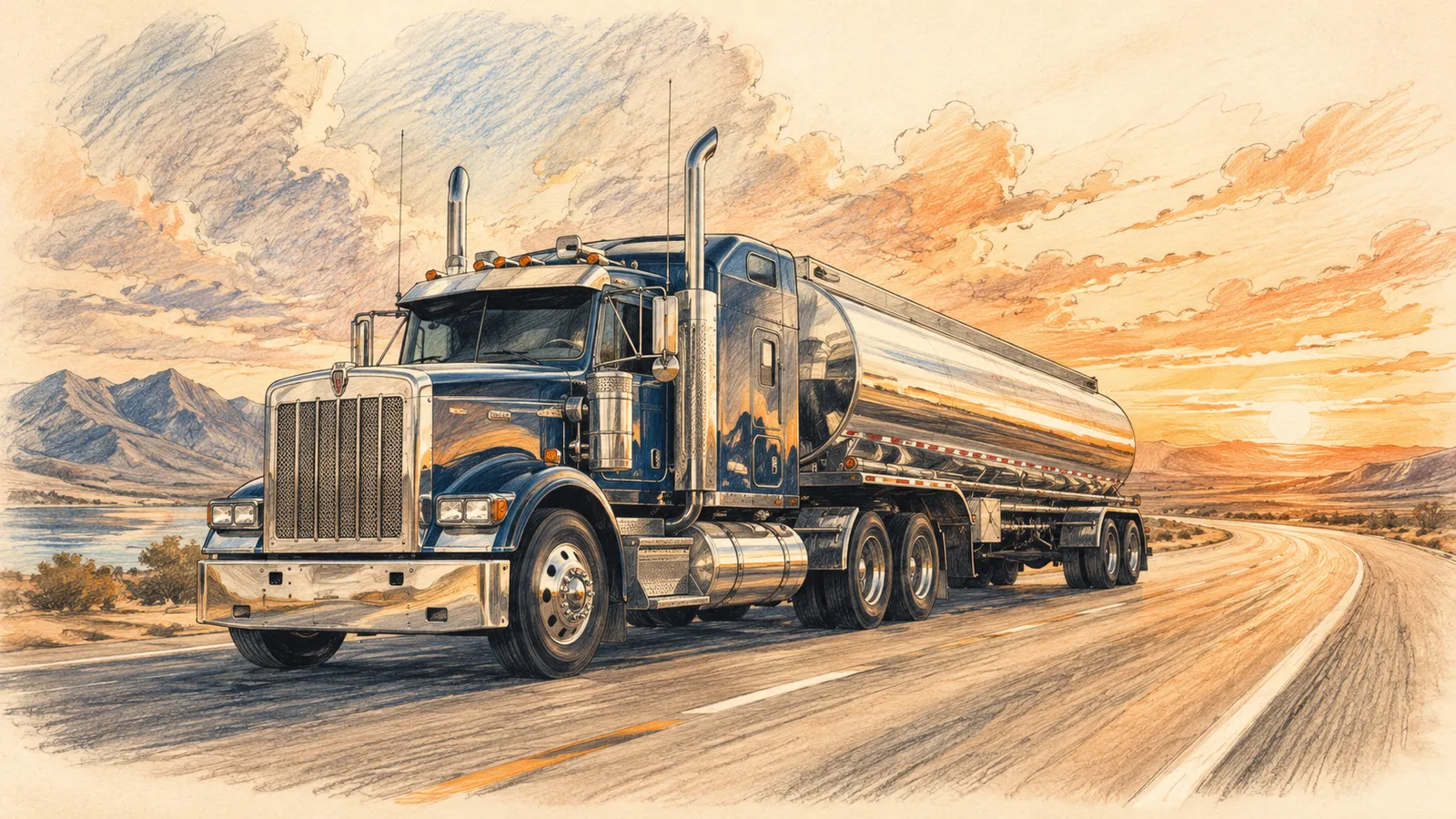
An importer is a company that brings fuel into a state, or into the country, from outside it. When no one collected the tax before that fuel crossed in, the importer usually owes it.
Fuel does not always come from a refinery or terminal inside the place where it is sold. Sometimes a company brings it across a border, from another country or from another state. The company that does that is the importer of the fuel.
The tax rules single out the importer for a reason. Fuel taxes are owed where the fuel is used or sold, and imported fuel may arrive without that tax already paid. So the rules name the importer as the responsible party, the one who has to report the fuel and pay the tax that did not get collected upstream.
For an operator, this is why crossing a state line with fuel is not a casual act. Bringing in product to sell can make a company an importer with tax to file, even when it feels like ordinary buying. Knowing where fuel comes in, and who is on the hook when it does, keeps a company clear of a tax bill it did not see coming.
In useA marketer that trucks fuel in from a terminal across the state line is the importer of that fuel, and it owes its new state any tax its supplier left uncollected at the rack.
See also Motor fuel excise tax, Position holder, Blender