
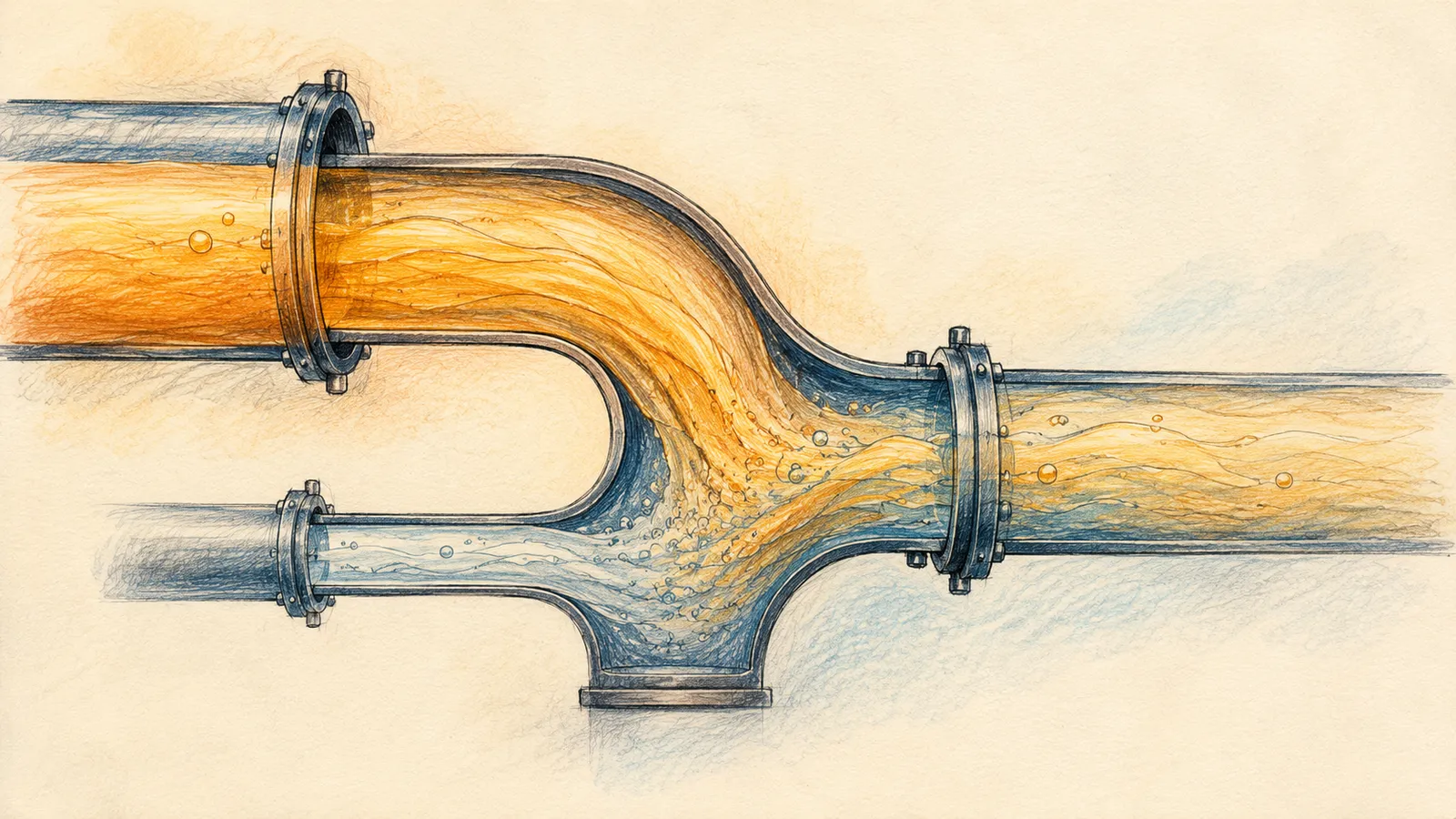
A blender is a company that mixes components into finished fuel, such as splashing ethanol into gasoline or biodiesel into diesel.
Finished fuel is often not a single liquid but a mix. A blender combines a base product with one or more components to make the fuel that finally goes to market. Splash blending is the common example, where ethanol is added to gasoline, often as the truck loads, to make the standard E10.
Blending is a recognized role in the fuel tax rules, not just a handling step. Because mixing components can create a taxable finished fuel, a blender takes on tax duties of its own. Depending on what is blended and where, the blender may owe tax on the product it creates, and it may also earn the credits tied to blending renewable fuel.
For a jobber or marketer, blending is often part of daily life rather than a separate business. The act of putting ethanol or biodiesel into the tank can make the company a blender in the eyes of the tax rules, which is why the role is worth understanding even for an operator who never thinks of itself as one.
In useBy splash blending ethanol into gasoline as its trucks load, the jobber acts as a blender and picks up the tax duties and blending credits that come with it.
See also Ethanol blend, Biodiesel, Refiner