
General information only, last reviewed October 25, 2026. Full notice at the end of the page. A date on this page has passed. Check the current rule at the source before you rely on it. Dates to watch
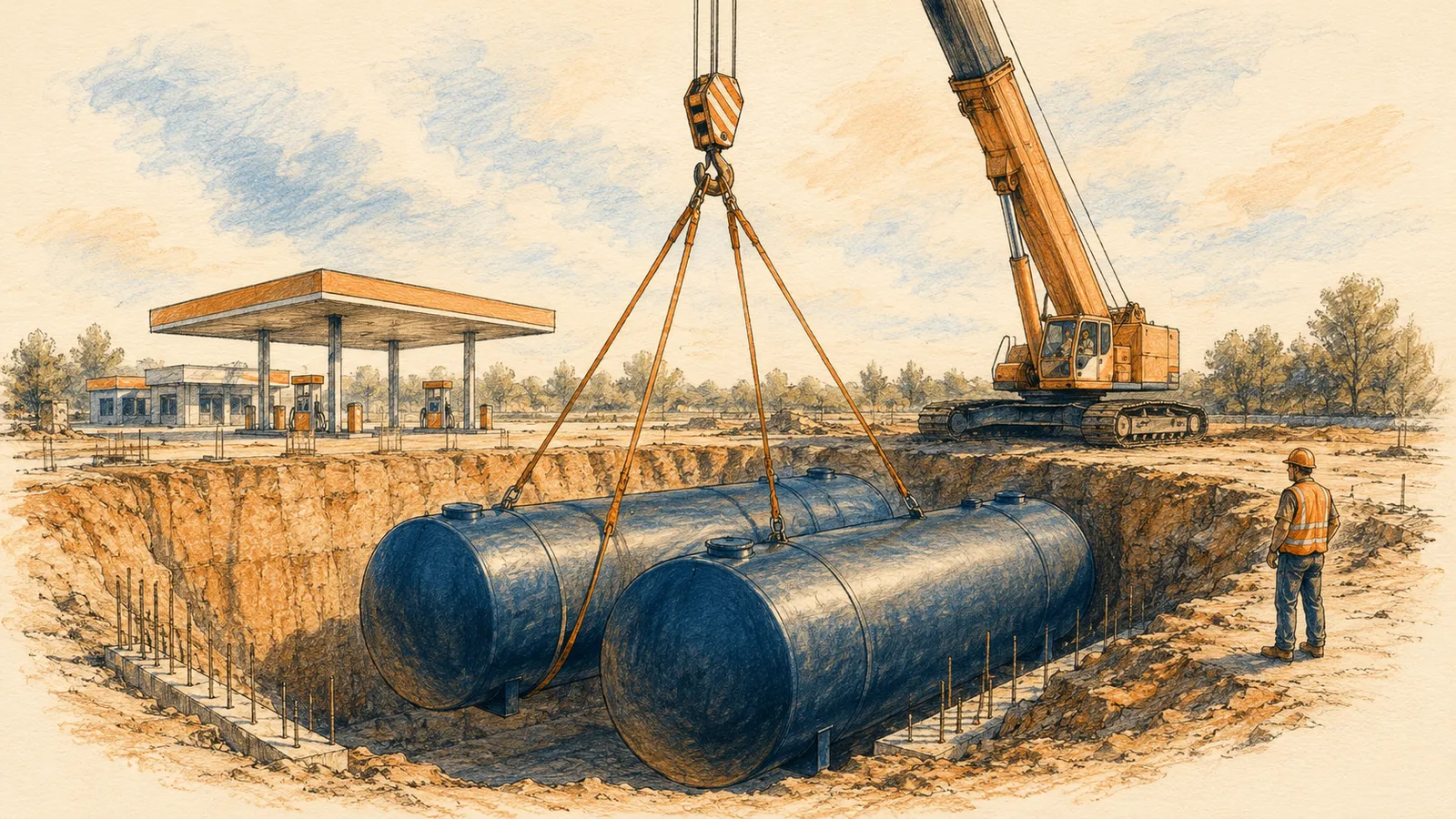
Compliance management software helps a fuel operation track its records, inspections, and filings and their due dates. The operator confirms the list against the rules that apply.
A fuel site carries a heavy load of rules. Underground tanks, called USTs, must be monitored, tested, and inspected on a calendar. Pumps face weights and measures checks. Environmental fees and tax filings come due on fixed dates. Each one has paperwork that has to exist and be findable.
The software turns that load into a tracked schedule. It holds the records, knows what is due and when, and reminds the operator before a deadline passes. Tank tests, inspection reports, training records, permits, and filings live in one place with their dates attached, instead of scattered across folders and someone’s memory.
The payoff can show up when an auditor or inspector arrives. When the records are complete and current, you can hand over what is asked for. The alternative is hunting for a missing tank test or a lapsed permit while a fine clock ticks. Software tracks what the operator sets up. It does not identify every obligation.
In useThe software flags that a tank’s annual leak test is due in thirty days and the operator’s air permit needs renewal, so the operator can handle both before the state inspector calls.
See also Underground storage tank (UST), Automatic tank gauging (ATG), Weights and measures