
Renewable propane is propane made from fats, oils, and other renewable feedstocks instead of from crude oil and natural gas. It is chemically the same as regular propane and burns in the same equipment.
Regular propane is pulled out of crude oil and natural gas processing. Renewable propane is made from renewable raw materials, such as waste fats, vegetable oils, and used cooking grease, often as a byproduct of making renewable diesel at the same plant.
The key point is that the finished propane is identical to the ordinary kind. It goes in the same tanks, runs the same furnaces, water heaters, and forklifts, and needs no new equipment. A customer would not notice a difference at the burner.
What makes it worth the trouble is its source. Because it comes from renewable material rather than fossil fuel, it carries a lower carbon score and can earn credits under low-carbon fuel programs. That gives it value beyond the energy it provides.
For a propane marketer, renewable propane is a way to offer a lower-carbon product to customers who want one, using the trucks, tanks, and routes the business already runs.
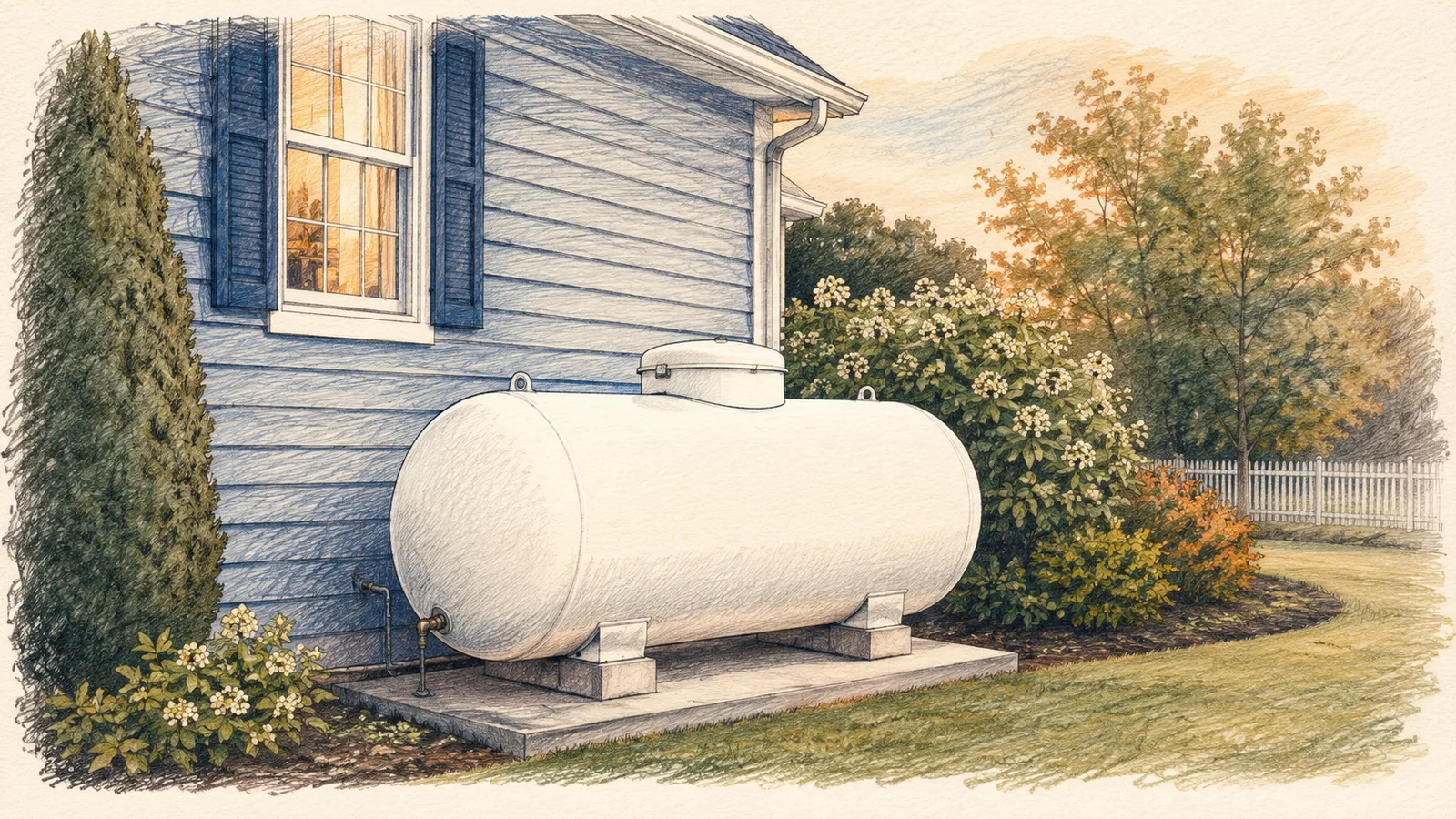
In useA propane dealer blends in renewable propane for a customer who wants a lower-carbon supply, and the home’s furnace runs exactly as it always has.
See also Propane (LP-gas), Renewable diesel, Biomass-based diesel