
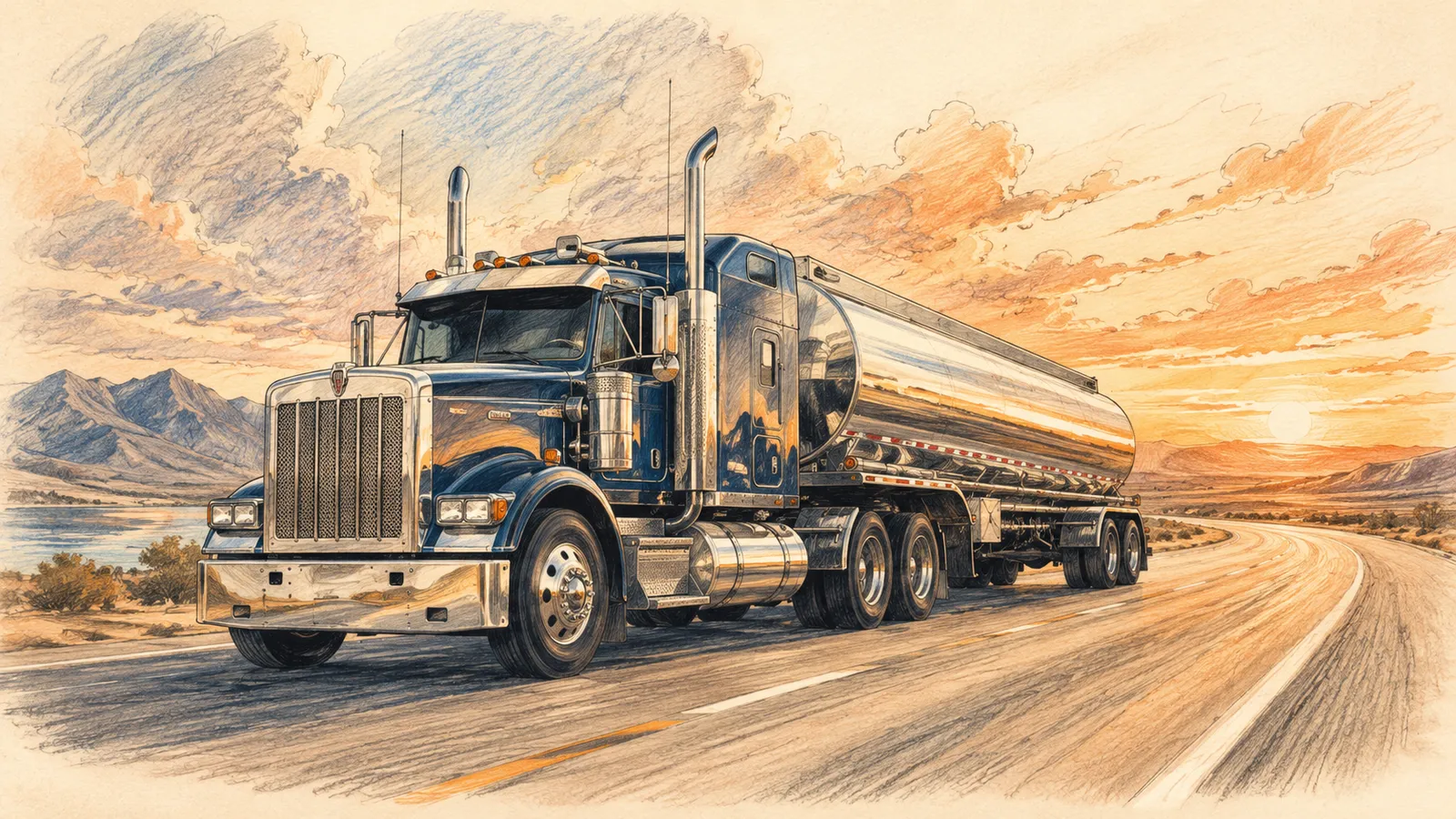
A common carrier is a hauler that transports fuel it does not own, for hire. It moves another company’s product and never takes title to the fuel.
When fuel is shipped, the company that owns it often does not move it itself. It hires a carrier to do the hauling. A common carrier is one that offers that service to the public for a fee, carrying whatever cargo it is paid to carry without ever owning it.
In fuel, pipelines are the classic example. A pipeline moves product belonging to many different companies through the same line, charging each a tariff for the carriage. Plenty of trucking firms work the same way, hauling loads of fuel that belong to jobbers, suppliers, or refiners.
The distinction matters for who is responsible for what. Because a common carrier never takes title to the fuel, it is not the buyer or the seller and generally not the party that owes the tax. It is paid to move the product, and the ownership, the price risk, and the tax stay with the companies on either end of the haul.
In useThe jobber owns the fuel and hires a common carrier to truck it from the terminal, so the carrier is paid for the miles while the jobber keeps title the whole way.